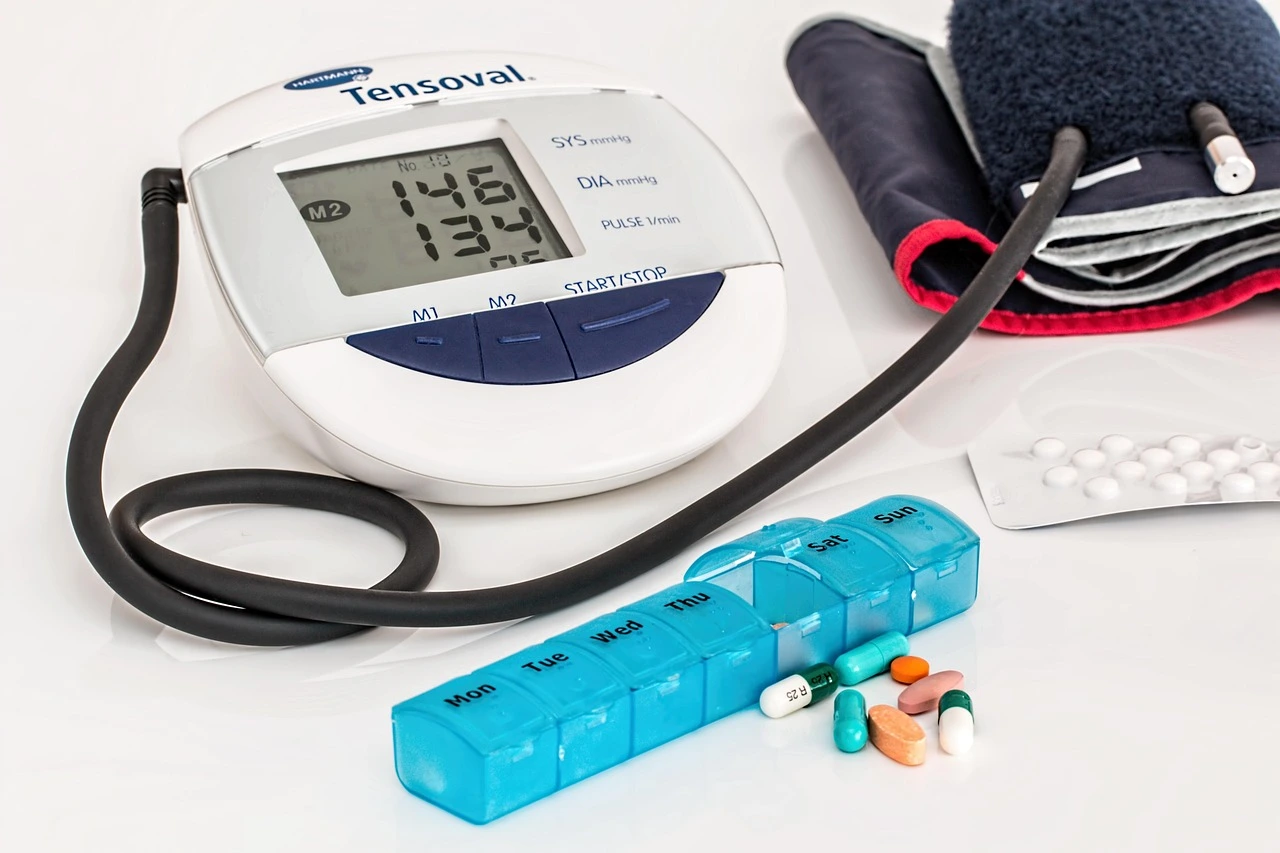
Life is full of surprises, but not all of them are pleasant. A sudden illness or an unexpected injury doesn’t just affect your body. It can also devastate your financial well-being. While we all hope to stay healthy, the reality is that life is unpredictable.
The true cost of a health crisis often extends far beyond medical bills. It’s a “silent wealth killer.” It can deplete your savings and derail your investment plans. It impacts your family’s future, no matter which country you call home.
The good news? With proactive planning, you can build a financial immune system to protect the life you’ve worked so hard to build. Let’s explore the hidden costs and the powerful steps you can take today to secure your tomorrow.
The Ripple Effect: More Than Just Medical Bills
When we think of the cost of being sick, we often only picture doctor’s fees and hospital charges. However, the financial impact runs much deeper, creating a ripple effect that can destabilize your finances for years.
- Loss of Income: This is often the most significant blow. If you cannot work, your primary source of income stops. For freelancers, business owners, and those without ample sick leave, this can be immediate and devastating.
- Eroding Savings: Without a steady income, you may be forced to dip into your emergency fund or long-term savings. These withdrawals might not only cover medical costs. You may also need them for everyday living expenses like rent, groceries, and utilities.
- The “Hidden” Expenses: Illness comes with a long tail of ancillary costs. Consider transportation to and from appointments. Think about expensive prescriptions. Home modifications for mobility may be necessary. You might even need to hire help for household chores you can no longer manage.
- Stalled Wealth Building: When you’re focused on survival and covering immediate costs, your financial growth grinds to a halt. People often pause contributions to retirement funds, investment accounts, and children’s education savings first. This action causes a significant long-term setback.
Your Financial First-Aid Kit: 4 Proactive Steps to Take Now
Waiting for a crisis to strike is not a strategy. Protecting your wealth is an active process. Here are four key habits to integrate into your financial life today.
1. Build a Robust Emergency Fund
An emergency fund is your first line of defense. The standard advice is to save 3-6 months of living expenses. If you are the sole breadwinner or have a variable income, consider aiming for 6-12 months. This fund creates a crucial buffer. It allows you to cover expenses without touching your long-term investments. You avoid going into debt during a period of recovery.
2. Make Insurance Non-Negotiable
Insurance is not an expense; it’s a cornerstone of wealth protection. Critically review your coverage:
- Income Protection/Disability Insurance: This is arguably the most important. It provides a regular payment (e.g., up to 75% of your income) if you are unable to work due to illness or injury, directly replacing your lost earnings.
- Critical Illness Cover: This provides a tax-free, lump-sum payment. You receive this if you are diagnosed with a specific serious illness such as cancer, a heart attack, or a stroke. This cash can be used for anything—from medical treatments to covering household bills.
- Health & Life Insurance: Ensure your basic health and life insurance policies are adequate and up-to-date for your family’s needs.
3. Get Your Affairs in Order: Estate Planning
A serious health event can leave you unable to make decisions. Having your legal documents prepared is an act of care for yourself and your loved ones.
- Will: Specifies how your assets will be distributed.
- Power of Attorney: Appoints someone to manage your financial affairs if you are incapacitated.
- Advance Healthcare Directive/Living Will: Outlines your wishes for medical care if you cannot communicate them yourself.
4. Seek Professional Financial Advice
Just as you see a doctor for your physical health, a qualified financial advisor is essential for your financial health. They can help you:
- Conduct a “financial health check” to identify vulnerabilities.
- Structure your insurance portfolio correctly.
- Create a long-term plan that factors in risk and builds resilience.
Your ability to earn an income is your most valuable financial asset. Protecting it from the unforeseen is one of the smartest investments you can make. By taking these proactive steps—building your savings, securing the right insurance, and organizing your estate—you are not just protecting your money. You are safeguarding your future, your family’s security, and your peace of mind.
Start today. A little planning now can prevent a world of financial stress later.






Leave a Reply